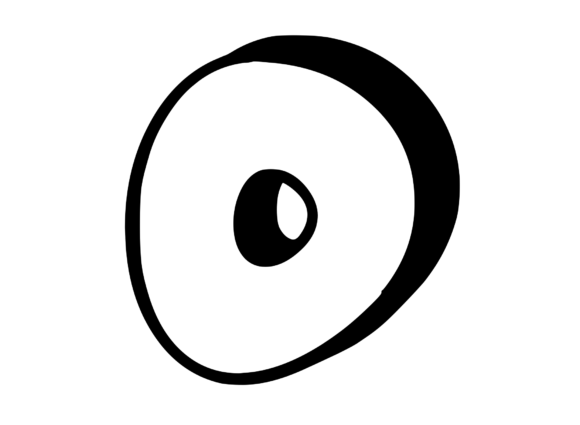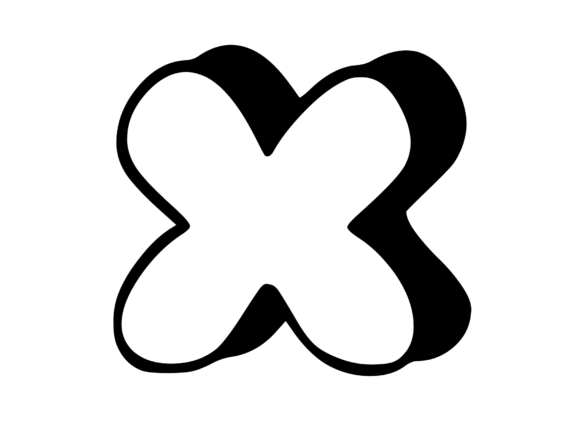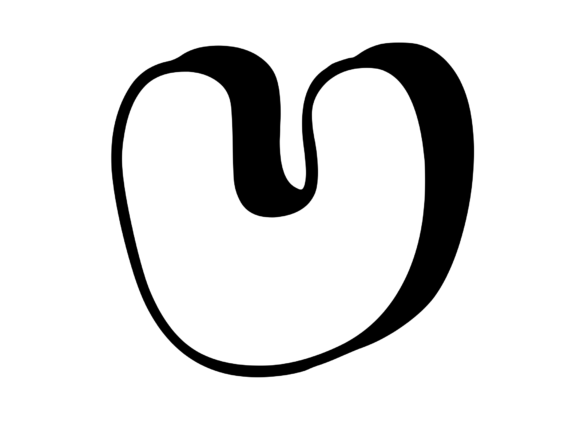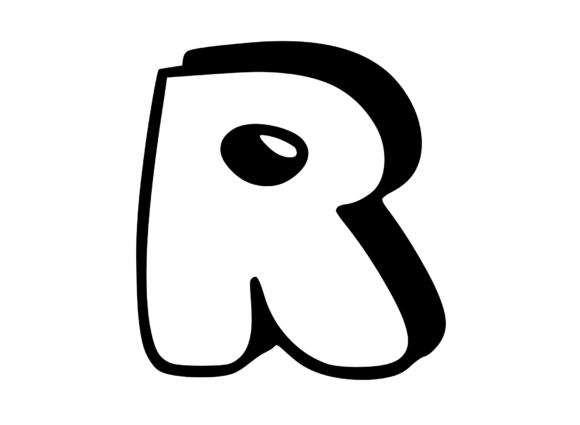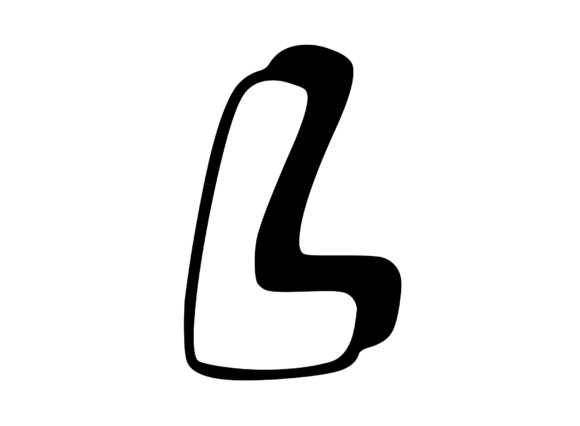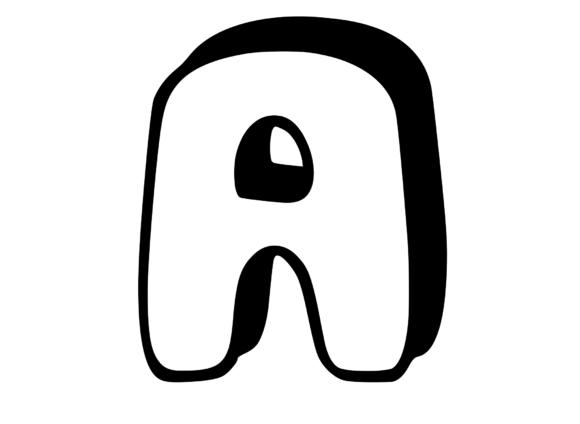
Friendly Shaded Comic Hand Drawn Mono a
When I first opened the Friendly Shaded Comic Hand Drawn Mono a file, I immediately recognized it as the kind of design that bridges the gap between playful illustration and professional embroidery. The hand-drawn quality gives it an approachable, sketch-like feel, while the shading adds depth without crossing into overly complex territory. As someone who has tested hundreds of machine embroidery designs across every fabric and product type imaginable, I can tell you that this design has a distinct personality: it feels confident, casual, and slightly whimsical, yet structured enough to hold its own on premium merchandise. Whether you are an Etsy seller looking to expand your personalized gift lineup or a small shop product owner wanting to offer something that feels both artistic and reliable, this graphics file deserves a close look.
First Impressions and Visual Personality
The first thing that struck me about Friendly Shaded Comic Hand Drawn Mono a is how the shading is applied. It is not a flat vector; it carries subtle tonal variation that mimics the pressure and flow of a real hand-drawn line. This makes it ideal for projects where you want a custom, artisan feel rather than a mass-produced look. The overall mood is friendly and approachable, which naturally suits products aimed at children, casual apparel, home decor, and giftable goods. I would say the design sits comfortably in the Crafts space, but its versatility means it can easily migrate into boutique branding or even minimalist nursery decor.
From a layout perspective, the design is well-contained, meaning it does not have sprawling edges or fragile thin lines that would disappear in the stitch. The visual weight is balanced, and the hand-drawn quality actually works in your favor when stitching because minor thread shifts or fabric pulls can blend into the organic style. This is a huge relief for anyone who has struggled with rigid, geometric designs that show every tiny imperfection.
Real‑World Performance in Embroidery Projects
I took Friendly Shaded Comic Hand Drawn Mono a through several real-use scenarios to see how it holds up under production conditions. My first test was on a custom embroidered tote bag made from medium-weight cotton canvas. The design stitched out cleanly, with the satin stitch areas providing a nice sheen against the matte fabric. The fill stitch sections were dense enough to appear solid but not so thick that they created a hard, board-like feel. This is a critical balance: if the stitch density is too high, the fabric puckers; if too low, the design looks thin and cheap. Here, the density felt appropriate for a mid-range fabric.
Next, I tested it on a sweatshirt embroidery project using a thick fleece. Because fleece can swallow fine details, I was concerned that the shaded areas might blur together. However, the design’s contrast held up well, especially when paired with a lighter thread color against the dark fabric. I used a medium-weight stabilizer cut away, and the result was a soft, wearable design that did not distort even after washing. If you are making custom apparel for a client who wants a unique, artistic look on a hoodie or crewneck, this design is a strong candidate.
I also tested it as an embroidered patch using a felt base and a denser stitch setting. The hand-drawn style translated beautifully into a patch format, giving it the look of an artist’s sketch that had been permanently stitched into fabric. This would work exceptionally well for craft business owners who sell patches at fairs or online.
Where to Use This Design Carefully
No design is perfect for every application, and Friendly Shaded Comic Hand Drawn Mono a has a few limitations that you should consider before committing to a large production run. The shading, while lovely, relies on running stitch and fill stitch combinations that can become problematic in very small hoop size settings. If you try to shrink the design down to fit a cap or a small baby embroidery onesie, the shaded areas may lose definition and turn into blobs. I recommend keeping the design at a minimum height of around three inches for best clarity.
Another area of caution is textured fabrics like bouclé, thick knits, or loosely woven linens. The organic lines can get lost in the texture, making the design look messy rather than artistic. Similarly, on stretchy fabric like jersey or spandex, the shading may cause distortion if you do not use a proper stabilizer and slightly reduce the stitch density. For curved surfaces like caps, I would avoid placing the design near the brim seam, as the curve can break the flow of the hand-drawn lines.
If you are creating holiday gifts or personalized products that will be washed frequently, such as kitchen towels or pillow covers, test a sample first. The shading can fade or shift if the thread colors are not colorfast. Use high-quality polyester or rayon thread to ensure the design stays vibrant after multiple washes.
Visual Appeal, Product Value, and Customer Trust
In the world of commercial embroidery and handmade products, the design you choose directly affects how customers perceive your brand. Friendly Shaded Comic Hand Drawn Mono a has an inherent sense of authenticity. When I showed the stitched sample to a few regular buyers at a local craft fair, they immediately commented on how “artistic” and “not mass-produced” it looked. This is the exact reaction you want if you are a handmade shop product owner or an apparel decorator trying to differentiate yourself from screen-printed or digital-print competitors.
For Etsy sellers and creative entrepreneurs, this design can elevate your product value without requiring complicated digitizing edits. Because the hand-drawn style already includes shading, you do not need to add extra elements or text to make it feel complete. It works as a standalone focal point on a tote bag design, or as a subtle accent on a baby embroidery project. The handmade presentation benefits from this design because the stitching looks intentional and skilled, even if you are a relatively new embroiderer.
From a brand consistency standpoint, the design’s friendly and approachable mood makes it a good fit for companies that want to appear accessible, creative, and down-to-earth. If you sell boutique products or personalized gifts, this design can become a signature element that customers recognize across your product line. It also works well for printable mockups and digital product previews because the shading adds depth even in flat images, helping you sell the vision before the item is stitched.
Practical Embroidery Designer Notes
Before you load Friendly Shaded Comic Hand Drawn Mono a into your machine and start production, here are several practical steps I recommend based on my own testing:
- Test on scrap fabric first. This is non-negotiable. Stitch the design on a piece of fabric similar to your final product to check how the shading reads and whether any small details get lost.
- Check thread color contrast. The hand-drawn quality relies on subtle shading, but if your thread is too close in value to the fabric, the entire design can look muddy. Test it on both light and dark backgrounds using a few different color combinations.
- Review stitch density. If your machine or software allows, check the stitch density report. If it is above 12,000 stitches per square inch, consider reducing density slightly to prevent fabric puckering, especially on thinner fabrics like baby clothes or tea towels.
- Confirm hoop size. Measure the design’s actual dimensions. Do not assume it will fit a small hoop unless you verify. For applique design conversions, you may need a larger hoop to accommodate the shaded areas.
- Test in black and white mockups. Before committing to thread colors, print a grayscale version of the design on paper. This helps you see if the shading reads clearly as tonal variation rather than random noise.
- Compare light and dark fabric backgrounds. The design behaves differently on white versus black fabric. On dark backgrounds, consider using a white or light gray underlay to preserve the shading effect.
- Use proper stabilizer. For medium-weight fabrics, a tear-away stabilizer may suffice, but for denser fabrics or high-stitch-count versions, use a cut-away stabilizer to maintain shape over time.
- Check licensing before selling. The product description states it is a “fantastic SVG” and encourages users to “proudly reproduce.” However, if you are creating finished products for sale or using the design as design assets for digital embroidery file bundles, confirm the exact commercial license terms. Do not assume blanket permission.
Final Thoughts for the Practical Maker
Friendly Shaded Comic Hand Drawn Mono a is not a design that tries to be everything to everyone. It knows what it is: a friendly, artistic, hand-drawn graphic that translates well into embroidery when handled with care. For small business owners, hobbyists, and makers who want to offer something that feels both personal and professional, this design strikes a rare balance. It does not require advanced digitizing skills to make it look good, but it does reward attention to detail in fabric choice, thread selection, and stabilizer use.
If you are preparing a batch of personalized gifts for the holiday season, a line of boutique products for your craft business, or even a single custom embroidered patch for a client, this design deserves a place in your digital library. Just remember to test, verify your hoop size, and give yourself time to experiment with thread colors. In the right hands and on the right product, Friendly Shaded Comic Hand Drawn Mono a can become a reliable, crowd-pleasing asset that keeps customers coming back for more.