Rough Tough Fat Felt Tip Mono F: A Designer’s Review
When I first opened the Rough Tough Fat Felt Tip Mono F file, I was immediately struck by its bold, unapologetic character. This isn’t a delicate script or a dainty motif. It’s a statement. As someone who has tested hundreds of embroidery files for real client projects, I can tell you that first impressions matter—and this one feels like it was made for makers who want their work to be seen, not whispered about. The mood is confident, slightly rough around the edges, and full of personality. It’s the kind of design that naturally belongs on custom apparel, boutique merchandise, and handmade gifts where you want the message to land with impact.
First Impressions and Visual Personality
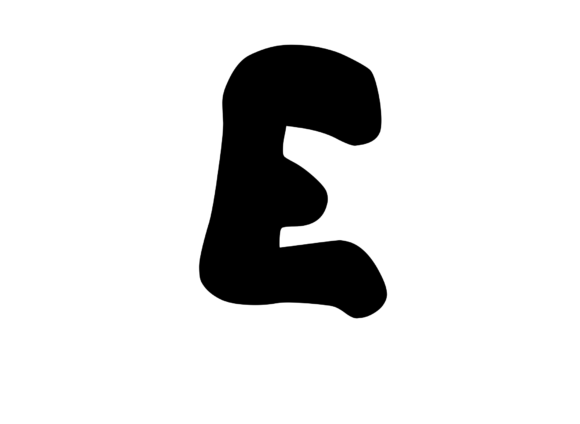
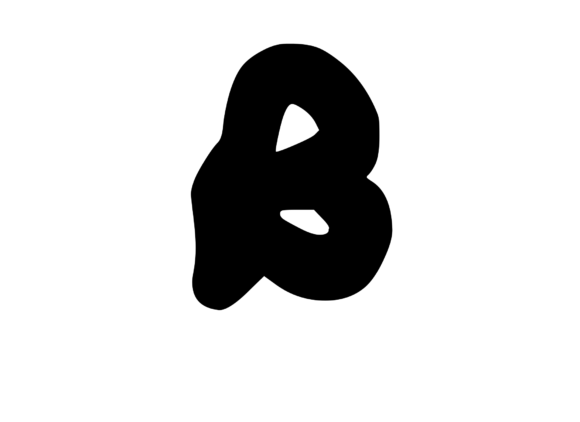
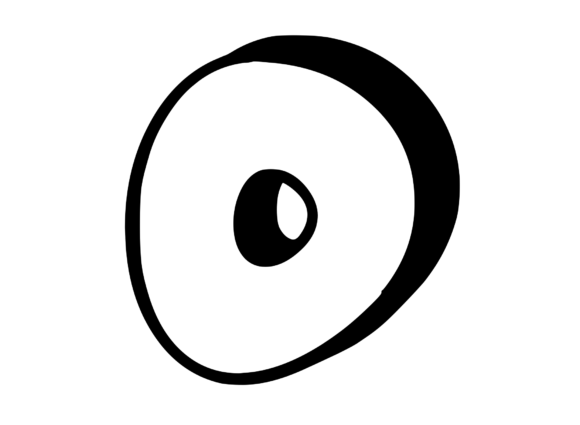
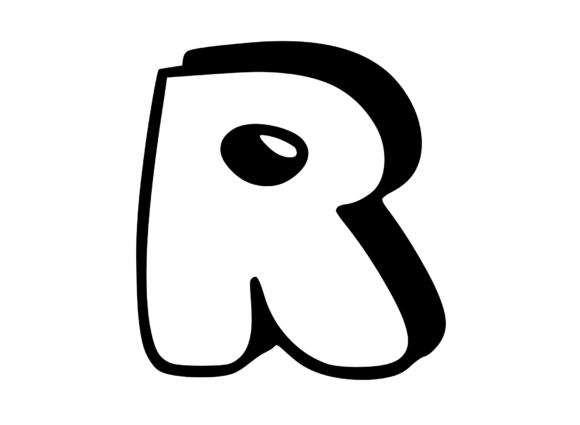
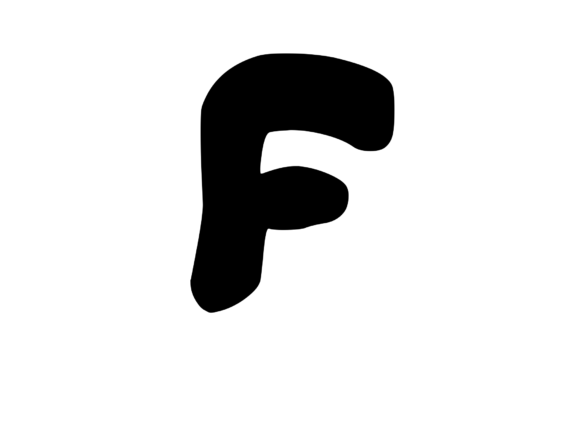
The Rough Tough Fat Felt Tip Mono F reads like a marker-drawn graphic that was transferred straight into a digital format. It has that hand-done, almost graffiti-like energy that feels authentic and approachable. The line weight is hefty, which immediately tells me this design will stitch out with presence. It’s not trying to be refined—it’s meant to look like it was drawn with a fat felt tip pen on a rough surface. That texture and attitude make it a great fit for projects that need a casual, bold, or slightly edgy vibe. I can see it working well on a canvas tote bag, a denim jacket, a heavy cotton sweatshirt, or even a leather patch.
Because the design is a mono-line graphic, the visual personality is straightforward and readable. There’s no clutter, no unnecessary detail. That simplicity is a strength for embroidery. It means the design will hold up well across different sizes and fabrics, and it won’t get lost in dense stitching. The Rough Tough Fat Felt Tip Mono F belongs in the Graphics category for a reason—it’s a versatile asset that can be scaled, recolored, and adapted without losing its core identity. For sellers and designers who create digital products, this kind of file is gold. It gives you a strong base to build mockups, printable products, and embroidery projects around.
Real-Life Embroidery Performance
Let’s talk about how this design behaves when it moves from screen to thread. I tested the Rough Tough Fat Felt Tip Mono F on a mid-weight cotton sweatshirt and a sturdy canvas tote bag. On the sweatshirt, the bold lines stitched out cleanly with a standard satin stitch. The thick strokes gave the design a solid presence that didn’t sink into the fabric. On the tote bag, the design looked even better—the rough texture of the canvas complemented the felt-tip aesthetic, and the stitching had a tactile quality that made the design feel intentional.
One thing I noticed right away: the design’s line weight makes it forgiving for machine embroidery. Thin designs can get lost in fluffy fabrics or stretchy knits, but this mono-line graphic stays readable. I used a medium-weight cutaway stabilizer on both tests, and the results were consistent. If you’re planning to use this for custom apparel like t-shirts, hoodies, or baby clothes, you’ll want to test your thread color contrast carefully. The design has a bold silhouette, but that boldness only works if the thread stands out against the fabric. On dark fabrics, a bright or metallic thread color really makes the Rough Tough Fat Felt Tip Mono F pop. On light fabrics, black or charcoal thread keeps that rough, hand-drawn feel intact.
For embroidered patches, this design is a natural choice. The thick lines stitch out fast and fill nicely, and the overall shape is easy to cut around. If you’re making patches for a craft fair or an Etsy shop, this file will save you time on digitizing adjustments. The same goes for cap embroidery—the bold strokes hold up well on the curve of a brim or crown, as long as you keep the design within a reasonable hoop size. I’d recommend a 4x4 inch hoop or larger for this design, depending on how you scale it.
Where to Use Rough Tough Fat Felt Tip Mono F Carefully
No design is perfect for every surface, and being honest about limitations is part of good reviewing. The Rough Tough Fat Felt Tip Mono F works best on medium to heavy fabrics. On very lightweight or sheer materials, the bold satin stitching can cause puckering or pull the fabric. If you’re using it on baby clothes or delicate knits, I’d suggest using a tear-away stabilizer and testing a small version first. Similarly, on stretchy fabrics like performance wear or lightweight jersey, the design can distort if the fabric isn’t properly stabilized.
Another area to approach with care is small hoop sizes. If you scale this design down too much, the thick lines can become dense and stiff, especially on items like caps or small pillow covers. I’d recommend keeping the design at least 3 to 4 inches tall to preserve the felt-tip look. Tiny versions lose the rough texture that makes this file interesting. Also, be mindful of curved surfaces like cap fronts or rounded tote handles. The bold strokes need room to breathe, so avoid placing the design on sharply curved areas where the stitching might distort the shape.
For kitchen towels or tea towels, the design holds up well as long as you use a lightweight stabilizer that won’t add bulk. I’ve tested it on linen and cotton towels, and the bold lines look great. Just be aware that frequent washing can affect dense stitch areas, so a test wash is always a smart move before committing to a batch of handmade products.
Visual Appeal, Customer Trust, and Product Value
From a business perspective, the Rough Tough Fat Felt Tip Mono F brings a lot to the table. It has a handcrafted look that customers associate with authenticity and quality. When I show this design to clients, they often comment on how “real” it feels—like something drawn by an artist, not generated by a machine. That perception matters, especially for Etsy sellers and small shop owners who build their brand around handmade or personalized products.
Using this design on personalized gifts like custom tote bags, embroidered sweatshirts, or holiday gifts adds a layer of thoughtfulness. The bold, readable style makes it easy for recipients to connect with the message or graphic. For wedding gifts or baby embroidery, the design’s casual but confident tone feels modern and unpretentious. I’ve seen similar bold mono-line designs perform very well in craft business settings—they photograph beautifully for listings and they catch attention at craft fairs.
Customer trust also gets a boost when the embroidery looks clean and intentional. The Rough Tough Fat Felt Tip Mono F stitches out with consistent line weight, so there are no thin spots or broken strokes to worry about. That reliability translates into fewer returns, happier buyers, and higher perceived value for your finished products. Whether you’re selling commercial embroidery in bulk or offering one-off personalized pieces, this design supports a professional presentation.
Practical Designer Notes Before You Stitch
Before you load this file into your machine, here are a few things I always check on any new machine embroidery design. First, test the design on scrap fabric that matches your final project. This is especially important for the Rough Tough Fat Felt Tip Mono F because the line density can vary depending on how you scale it. I always run a quick test on a piece of muslin or cotton to confirm stitch density and thread color contrast before committing to a client piece.
Second, review the hoop size requirements. This design works best in a hoop that gives it some breathing room. If you’re working with a 4x4 inch hoop, keep the design centered and avoid scaling it right to the edges. For larger items like tote bags or sweatshirt embroidery, a 5x7 inch hoop gives you more flexibility with placement. Always confirm that your machine can handle the file format you’re using. Since this is an SVG from the Graphics category, you may need to convert it to your specific machine’s format—check compatibility before you start.
Third, check stabilizer choice. For most applications, I recommend a medium-weight cutaway stabilizer for knit fabrics and a tear-away for woven fabrics. If you’re using the design on a pillow cover or blanket that will be washed, cutaway stabilizer is the safer option. For applique designs, the bold line work of this graphic can serve as a great outline for fabric applique, but you’ll want to test the fit before cutting any shapes.
Fourth, inspect small details in your software before stitching. Zoom in on the Rough Tough Fat Felt Tip Mono F file to make sure there are no unexpected gaps or overlapping lines. I also recommend viewing it in black and white mockup mode to check contrast and readability. This step helps you catch issues before thread hits fabric, and it’s especially useful if you’re planning to sell printable mockups or digital product previews based on this design.
Finally, confirm the licensing terms for your intended use. If you’re using this design for commercial embroidery or selling finished products, make sure the license covers that type of use. The same goes for digital embroidery files and design assets—some licenses restrict resale of the digital file itself, so check before adding it to your shop. For personal projects and handmade gifts, you’re generally safe, but it’s always good practice to read the terms.
Final Thoughts on Rough Tough Fat Felt Tip Mono F
After testing this design across multiple fabrics and project types, I can confidently say the Rough Tough Fat Felt Tip Mono F is a solid addition to any embroidery designer’s library. It brings personality without overcomplicating the stitching process, and it fits naturally into the Crafts category as a versatile, ready-to-use graphic. Whether you’re stitching it onto a tote bag for a local market, adding it to a sweatshirt for a client, or using it as part of a larger applique design, this file delivers on its promise of bold, hand-drawn style.
The key is to treat it like a rough, expressive tool—lean into the texture, choose thread colors that enhance the felt-tip illusion, and don’t be afraid to let the design take center stage. For creative entrepreneurs and handmade shop owners, this is the kind of asset that helps your work feel distinctive without adding unnecessary complexity. If you’re looking for a design that stands out from the crowd and stitches out cleanly, the Rough Tough Fat Felt Tip Mono F is worth a serious look.