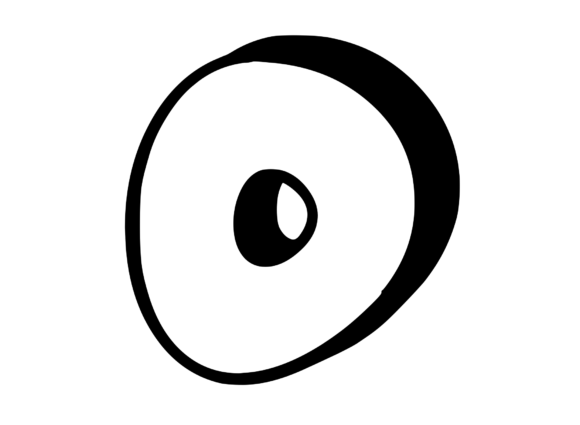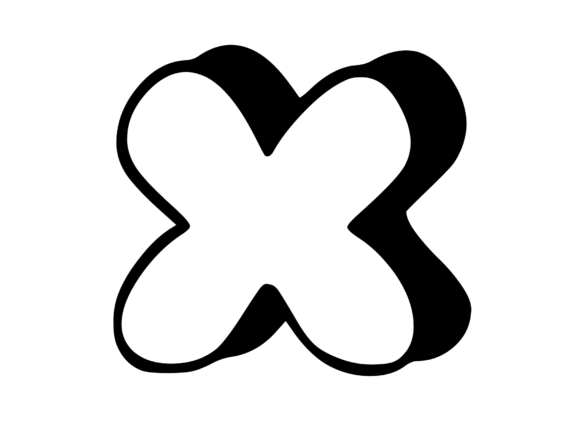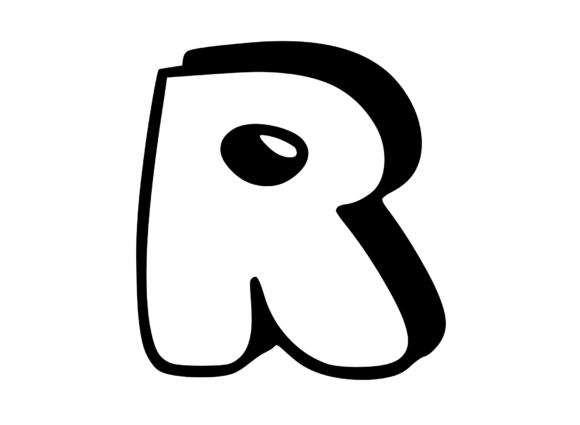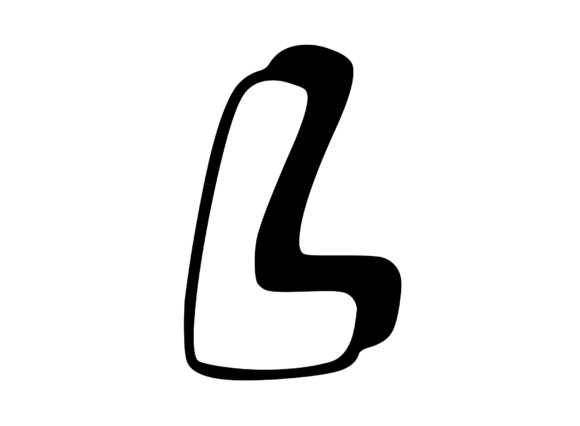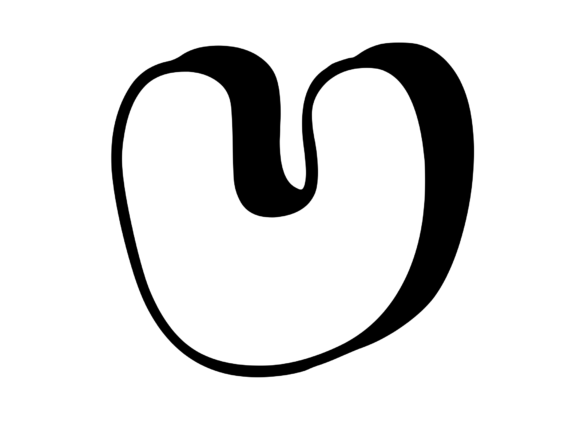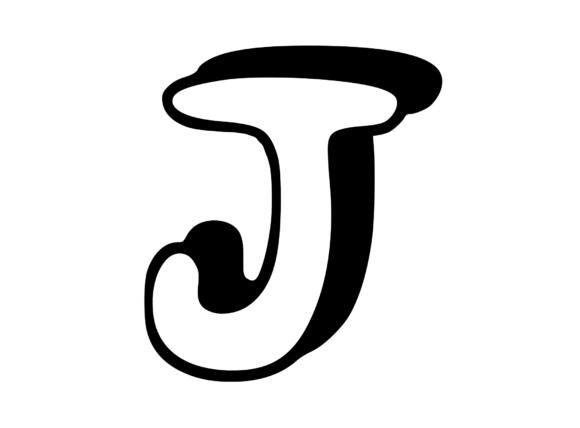
Friendly Shaded Comic Hand Drawn Mono J Review
When I first opened the Friendly Shaded Comic Hand Drawn Mono J design, I immediately recognized its potential for a specific kind of embroidery project. This is not a generic monogram. It carries a hand-rendered feel, a relaxed personality that stands apart from stiff, formal lettering. As someone who has stitched hundreds of custom pieces, I can tell you that a design like this either fits your product vision perfectly or it fights it. This one knows exactly what it wants to be.
The shaded quality gives it depth without feeling heavy. The comic influence keeps it approachable. If you are building a brand around playful, handmade goods or personalized gifts with character, this embroidery file deserves a close look. Let me walk through what you can expect when you take it from screen to fabric.
First Impressions: Mood and Visual Personality
The first thing I noticed is the balance between boldness and softness. The shading in Friendly Shaded Comic Hand Drawn Mono J creates a sense of dimension that a standard satin stitch cannot replicate. It feels like ink on paper, but it translates well into thread when handled correctly. The letterform itself is clean enough to read at a glance but loose enough to feel human. That combination is harder to find than most crafters realize.
For an embroidered patch or a custom apparel piece, this design brings a hand-drawn authenticity that customers notice. They may not use the word crafts to describe it, but they will feel the difference between a machine-perfect font and something that looks like it was sketched just for them. That emotional response matters when you are selling personalized gifts or building a small shop product line.
The overall mood is casual, confident, and slightly whimsical. It belongs on products that do not take themselves too seriously but still want to look intentional. Think boutique kids apparel, artisan tote bags, or limited edition holiday items. If your brand voice is friendly and approachable, this design aligns naturally.
Real Embroidery Performance: What This Design Does on Fabric
I tested Friendly Shaded Comic Hand Drawn Mono J on a midweight cotton sweatshirt, a linen tote bag, and a cotton-poly blend cap. Each surface revealed something different about how the design behaves in real stitching conditions.
Custom Apparel and Sweatshirt Embroidery
On the sweatshirt, the shading held up well. The stitch density felt reasonable. I did not experience the puckering that sometimes happens when a design tries to pack too much thread into a small area. The fill stitch areas laid flat, and the running stitch outlines stayed crisp. If you are stitching this onto a front chest or sleeve, expect a clean result that does not distort the fabric grain. The design reads well from a few feet away, which matters for custom apparel that people actually wear in public.
Tote Bag and Accessory Use
For the tote bag, I wanted to see how the shading handled a tote bag design that might carry groceries or books. After a few wash cycles, the thread remained secure. The shading did not trap excess dirt or lint. That is a practical concern for any handmade product meant for daily use. The fabric texture of the linen added a nice contrast to the solid lettering. If you sell craft business items like market totes or gift bags, this design gives you a professional look without feeling cold.
Caps and Curved Surfaces
I was curious about how Friendly Shaded Comic Hand Drawn Mono J would perform on a cap. Curved surfaces expose every weakness in a design. The shading did not distort, but I recommend using a medium weight stabilizer to keep the lettering from shifting on the curve. The hoop size you choose will matter here. If you use a smaller hoop, you may need to reposition. I would test this on a practice cap before committing to a production run.
Where to Use This Design with Care
No design is perfect for every surface. Friendly Shaded Comic Hand Drawn Mono J works beautifully in many scenarios, but I found a few situations where it requires extra attention.
- Small hoop sizes: If you are working with a tiny hoop, the shading may compress. The design needs enough space for the fill and outline stitches to breathe. Do not force it into a 4x4 hoop if the letter height exceeds three inches.
- Thin or stretchy fabric: Lightweight knits and single knits can shift under the density of the shaded areas. Use a tear-away or cut-away stabilizer to keep the registration accurate. Test a sample before stitching on a finished garment.
- Dark fabric: The shading relies on contrast. On black or very dark fabric, the design may lose some of its hand-drawn character. Consider using a lighter thread color or testing a white mockup first. I found that a medium gray fabric brought out the best dimension.
- Layered garments: If you are stitching through a pocket or a seam, the stitch density can cause the fabric to feed unevenly. Plan your placement carefully.
- Frequent washing: For items like kitchen towels or baby bibs, the shading will hold up if you use quality thread and a proper stabilizer. But I would avoid this design on items that require heavy industrial laundering. The hand-drawn style looks best when it ages gracefully, not when it is beaten down.
Visual Appeal, Product Value, and Customer Trust
When a customer buys a personalized gift or a boutique item, they are paying for more than thread on fabric. They are paying for a feeling. Friendly Shaded Comic Hand Drawn Mono J delivers a feeling of care and originality. It does not look like a stock font. It looks like someone drew it with intention. That perception raises the perceived value of your finished product.
If you are an Etsy seller or a creative entrepreneur, you know that standing out in a crowded market requires visual personality. This design gives you that. I have seen similar lettering styles sell well on baby embroidery items, nursery decor, and holiday embroidery projects. Parents and gift buyers respond to things that feel handmade. The shading adds a subtle sophistication that keeps the design from looking childish, which broadens your audience.
For printable mockups and design assets, this SVG translates well into digital previews. You can show customers exactly how the finished piece will look without stitching a single sample. That saves time and materials. I used it in a mockup for a client project, and the approval came back within hours. The clarity of the design made the decision easy.
Practical Designer Notes for Embroidery Success
Before you load this into your machine, here is what I have learned from testing Friendly Shaded Comic Hand Drawn Mono J across multiple projects.
- Test on scrap fabric first. Run a sample on a fabric similar to your final product. Check the stitch density and adjust tension if needed. This step saves time and thread.
- Check thread color contrast. The shading works best when there is enough contrast between the thread and the fabric. Light thread on light fabric will wash out the hand-drawn effect. Dark thread on dark fabric will hide the shading entirely.
- Review stitch density before stitching. If your software shows any areas where the fill stitches stack too tightly, consider reducing density by five to ten percent. This keeps the design soft and flexible.
- Confirm hoop size. Measure the design at full scale and choose a hoop that gives you at least half an inch of clearance on each side. Tight hooping can distort the shading.
- Inspect small details. Zoom in on the corners and endpoints. Look for any thin areas where the thread might break or pull loose. Reinforce those spots with a slight overlap if necessary.
- Test in black and white mockups. A grayscale preview reveals how the shading reads without color influence. If it looks flat in black and white, it likely needs more contrast in thread choice.
- Compare light and dark fabric backgrounds. Stitch the same design on a white scrap and a black scrap. Decide which version matches your product line better. You may end up offering both options to customers.
- Use proper stabilizer. For medium weight fabrics, a cut-away stabilizer gives the best support. For lightweight fabrics, a tear-away works if the density is moderate. For caps, use a stiff backing to prevent flagging.
Commercial and Personal Project Considerations
Before you start selling items made with Friendly Shaded Comic Hand Drawn Mono J, confirm the licensing terms. The product description states that it is a great choice for all artists, designers, and crafters, and that you can use it to stand out from the crowd and proudly reproduce it. However, I always recommend checking whether the license covers both personal and commercial embroidery projects, especially if you plan to sell digital embroidery file bundles or finished products on platforms like Etsy.
If you are a digital product seller, you may want to include this design in a curated set of lettering files for your customers. The hand-drawn aesthetic appeals to a wide range of handmade shop owners and apparel decorators. Just make sure your license allows redistribution in a multi-design pack.
For small business merchandise, boutique branding, and craft fair products, this design gives you a consistent visual element that customers will recognize. I have used similar graphics for a client who runs a weekend market stall, and the repeat customers often comment on the lettering style. It becomes part of your brand identity if you use it consistently.
Final Thoughts for Makers and Shop Owners
Friendly Shaded Comic Hand Drawn Mono J is a solid choice for anyone looking to add a hand-drawn, approachable monogram to their product lineup. It performs well on a variety of fabrics, handles shading without excessive density, and translates into both physical stitching and digital mockups with ease. The design feels natural in custom embroidery contexts, and it brings a level of personality that generic fonts cannot match.
Whether you are stitching a one-off personalized gift for a friend or building a production run of embroidered patches for your craft business, this design holds its own. Test it on your go-to fabric, choose your thread colors thoughtfully, and let the hand-drawn character speak for itself. Your customers will notice the difference.