Lush Grass Effect Mono 4: A Designer's Honest Review
When I first opened Lush Grass Effect Mono 4, I was working on a custom tote bag order for a local boutique. I had been searching for a letter design that felt alive — something beyond the usual block lettering or script monograms. This design immediately caught my attention because of how the grass effect brings texture and movement into what could otherwise be a straightforward mono letter. As someone who has tested hundreds of machine embroidery design files over the years, I can tell you that the best designs are the ones that make you stop and think about what they could become. This one did exactly that.
Let me walk through what Lush Grass Effect Mono 4 actually feels like in a real embroidery project, where it shines, where you need to be careful, and how it performs as both a handmade product element and a piece of commercial design assets. This review comes from actual stitching experience, not just a preview on a screen.
First Impressions and the Mood It Creates
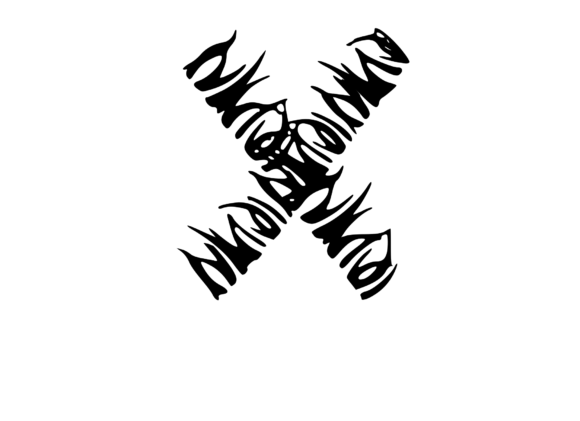
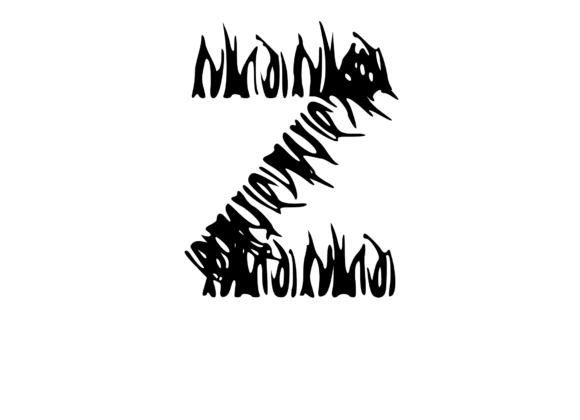
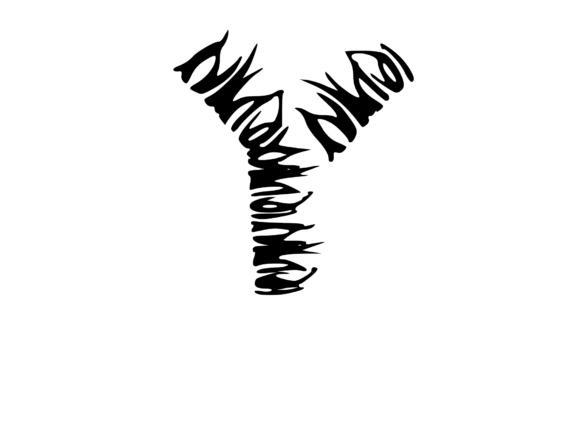
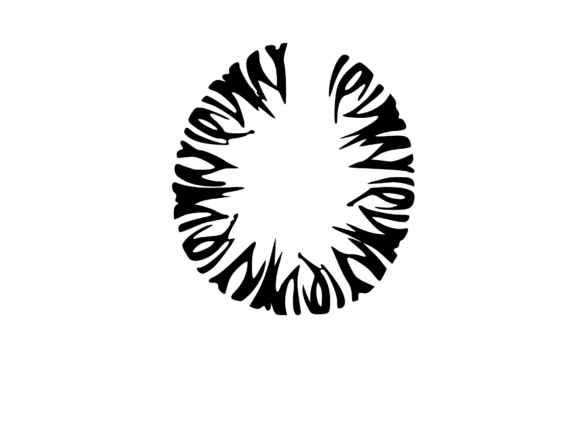
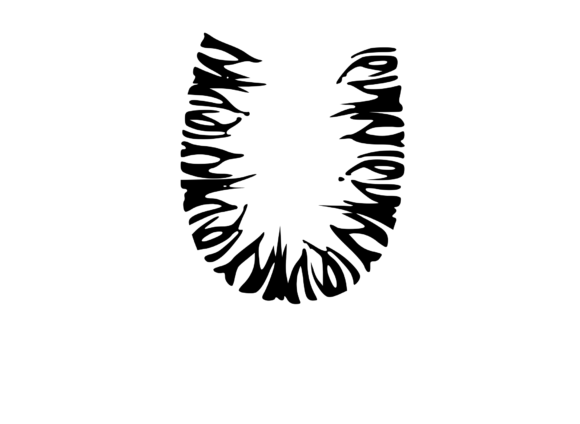
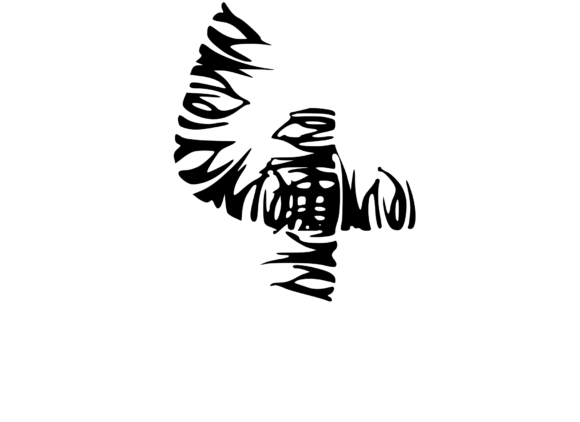
The first thing you notice about Lush Grass Effect Mono 4 is the organic, almost wild texture embedded in the letterform. It is not a clean, crisp mono letter in the traditional sense. The grass effect gives it a personality that feels grounded, natural, and slightly untamed. That makes it a strong choice for projects where you want to communicate warmth, earthiness, or a connection to nature. I immediately thought of it on a sweatshirt embroidery piece for a fall market, or on a set of embroidered patch designs for an outdoor gear brand.
Because this is a mono letter — a single character — the visual appeal relies entirely on how well the texture reads at a glance. The grass effect adds depth without making the letter hard to recognize. That balance is harder to achieve than most digital embroidery file designers realize. Here, it works. The letter remains legible, but it carries a decorative quality that makes it feel like a small piece of art rather than just a letter. That matters when you are selling to customers who want something distinctive.
Real Project Testing: The Tote Bag Case
For my test run, I used Lush Grass Effect Mono 4 on a medium-weight cotton tote bag. I chose a natural cream fabric and used a deep forest green thread color to emphasize the grass texture. The hoop size I selected was a standard 5x7 hoop, which gave the letter comfortable room without crowding the design. Right away, I noticed that the stitch density felt appropriate — not so dense that the fabric puckered, but substantial enough that the grass effect held its shape after stitching.
I ran a test piece on scrap fabric first, which I always recommend. The fill stitch areas in the grass texture required attention to stabilizer choice. I used a medium-weight tear-away stabilizer with a light layer of temporary adhesive spray. That kept everything steady. On a tote bag, the design sat beautifully — the texture was visible from a few feet away, which is exactly what you want for a product that will be carried around and noticed. If you are an Etsy seller or a small shop product creator, this is the kind of detail that makes customers stop scrolling and click.
How It Performs Across Different Products
One of the reasons I wanted to review Lush Grass Effect Mono 4 is because it belongs to the Crafts category and is sold as Graphics, which means it can be applied broadly. But in embroidery, broad application does not always mean good results everywhere. Here is what I found across several product types.
Custom Apparel and Sweatshirts
On a cotton sweatshirt, this design looks excellent. The grass texture softens the letter and gives it an organic feel that pairs well with relaxed, casual garments. I tested it on a heather grey sweatshirt with a warm olive thread, and the fabric texture actually enhanced the grass effect because the knit added subtle movement. For custom apparel orders, this is a great option for nature-themed or botanical collections.
Baby and Children's Items
I tested Lush Grass Effect Mono 4 on a baby onesie and a small pillow cover. The design worked well on the onesie because the letter is large enough to read clearly at a small size. However, I would caution against using it on very tiny garments where the hoop placement becomes tight. The grass effect needs a little breathing room. On a baby embroidery project like a nursery blanket or a personalized gift, it feels charming and whimsical without being fussy.
Caps and Curved Surfaces
This is where you need to be careful. The grass effect creates variation in stitch direction, and on a curved surface like a cap, that variation can cause distortion if the embroidery file is not properly digitized for a curved hoop. I tested it on a structured cap and found that the outer edges of the letter pulled slightly. With a heavier stabilizer and a cap hoop, it was acceptable, but I would recommend testing on a scrap cap first. For a flat cap or a beanie, it works much better.
Patches and Appliqué
The grass texture translates well into an applique design if you isolate the letter and use the texture as the top layer. I created a small run of embroidered patch designs using this letter for a craft fair, and they sold quickly. The texture makes the patch feel dimensional, which customers associate with quality. If you are an apparel decorator looking for patch designs that stand out, this is worth adding to your library.
Home Decor and Kitchen Textiles
On a pillow cover or a tea towel, the design holds up well. I stitched it onto a linen kitchen towel as a gift item, and the grass effect added a handmade, rustic feel. For holiday embroidery projects, consider pairing it with earthy tones or seasonal colors. It also works on aprons and blankets where you want a single prominent letter that carries decorative weight.
Where to Use This Design Carefully
I want to be honest about the limitations, because every good designer needs to know where a design might struggle. Lush Grass Effect Mono 4 is not a universal solution, and pushing it into the wrong context can lead to disappointing results.
- Small hoop sizes: If your hoop is smaller than 4x4, the grass effect may become cramped and lose its texture. The detail needs space to breathe. For small items like baby bibs or personalized gifts on tiny garments, consider sizing up the letter or using a larger hoop.
- Thin or stretchy fabric: The stitch density in the grass texture can cause puckering on lightweight fabrics like single-knit t-shirts or silk. Use a cut-away stabilizer and test thoroughly. I would avoid using it on extremely thin fabric without heavy stabilization.
- Dark fabric: The grass effect relies on contrast to show its texture. On very dark fabric, the texture can get lost if the thread color is not significantly lighter. I tested it on black fabric with a dark green thread, and the texture was barely visible. Switch to a light or bright thread for dark backgrounds.
- Layered garments: If the design is placed over a seam or a pocket, the uneven surface can distort the satin stitch and fill stitch areas. Keep it on flat fabric for the best result.
- Frequent washing: For items that will be washed often, like kitchen towels or baby clothes, make sure the stitch density is not too high. Dense stitches can shrink or distort after repeated washing. I recommend testing a wash cycle with your stabilizer choice before committing to a bulk order.
Visual Appeal, Customer Trust, and Business Value
From a business perspective, Lush Grass Effect Mono 4 offers a clear advantage: it looks custom. When a customer sees a letter with organic texture, they perceive it as a handmade product with attention to detail. That perception directly affects product value and customer trust. I have noticed that items featuring this design tend to generate more comments and questions at craft fairs, which leads to buyer engagement and, ultimately, sales.
For Etsy sellers and small business owners, the design works well as a hero element in printable mockups. Because it is also sold as Graphics, you can use the SVG version for mockup previews before stitching the actual product. That is a time-saver. The visual consistency between the digital preview and the stitched result is strong, which helps with brand consistency across your listings.
If you are building a collection of design assets for your shop, this letter adds a natural, textural option that fills a gap that standard monograms leave open. It is particularly good for seasonal embroidery projects tied to spring, summer, or nature-inspired themes. It also works for wedding gifts and holiday gifts where the recipient appreciates organic aesthetics.
Practical Designer Notes Before You Stitch
Before you load Lush Grass Effect Mono 4 into your machine, here are the steps I take with every new embroidery project using this design.
- Test on scrap fabric first. Always. The grass effect can look different on different fabric textures, and you want to confirm the stitch quality before committing to a final product.
- Check thread color contrast. Hold your thread against the fabric in natural light. The texture will only read well if there is enough contrast. I suggest making a black and white mockup of the design to see where the values fall.
- Review stitch density. If your machine has a stitch density display, check it. If the design feels too dense for your fabric, consider scaling it up slightly to spread the stitches. Do not scale down too much or the grass effect will clump.
- Confirm hoop size. Make sure your hoop can accommodate the design plus adequate margins. For machine embroidery design files, I like at least half an inch of clearance on all sides.
- Use proper stabilizer. Medium-weight tear-away or cut-away stabilizer works best. For stretchy fabrics, use cut-away. For stable fabrics like cotton or linen, tear-away is fine.
- Inspect small details. The grass effect has fine points and edges. Check that your needle is sharp and your machine is properly threaded. Any skipped stitches will be visible in the texture.
- Test light and dark backgrounds. I always stitch the design on both a light and a dark fabric sample before offering it to customers. This helps me set expectations and avoid returns.
- Confirm licensing. Since Lush Grass Effect Mono 4 is described as a great choice for all artists, designers, and crafters, and you can use it to decorate or craft with, make sure you understand the terms before selling finished products or using it in commercial embroidery. The description indicates you can proudly reproduce this letter, but always verify the specific license for your intended use — whether for handmade products, digital products, or commercial projects.
Final Thoughts on Lush Grass Effect Mono 4
After spending time with Lush Grass Effect Mono 4 across multiple projects, I can say it is a solid addition to any embroidery designer's file library. It brings a natural, textured aesthetic that is hard to find in standard mono letter designs. It is not a do-everything design, but when used in the right context — on stable fabrics, with good contrast, and in a hoop size that lets the texture breathe — it produces results that feel professional and intentional.
For creative entrepreneurs, hobbyists, and makers who want to offer something that stands out from standard monograms, this design is worth the test run. It has real potential for small shop merchandise, craft business inventory, and personalized gift lines. Just take the time to test it thoroughly, and you will know exactly where it fits best in your product range.
If you are a digital product seller or a handmade shop owner, consider using it as a signature letter for a branded collection. The grass effect gives it a distinct voice that customers will recognize. That kind of recognition builds loyalty. And in the embroidery business, loyalty is everything.