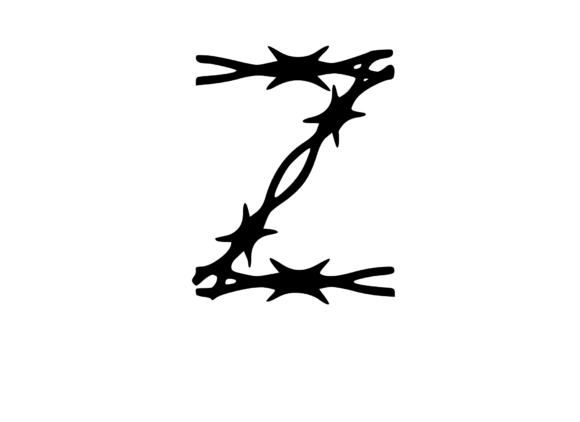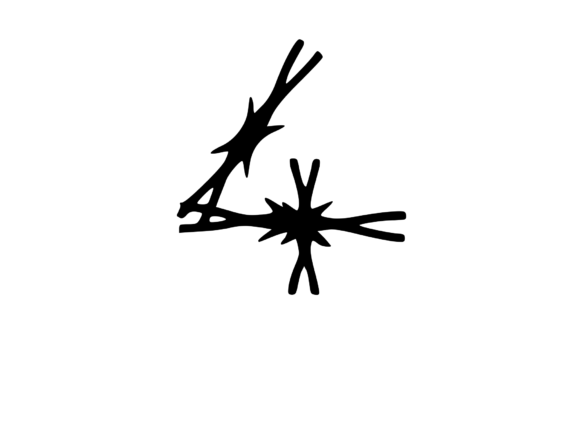
Sharp Barbed Security Wire Mono 4: A Designer’s Review
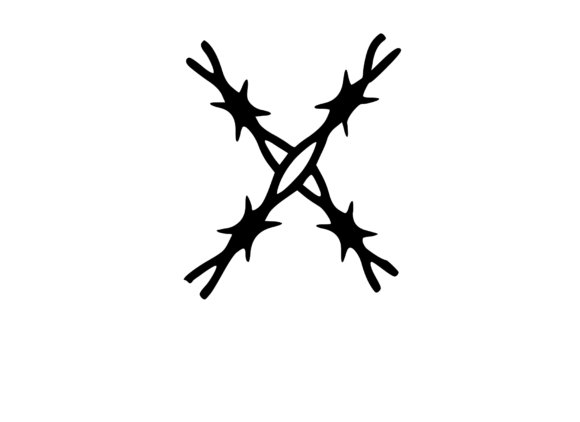
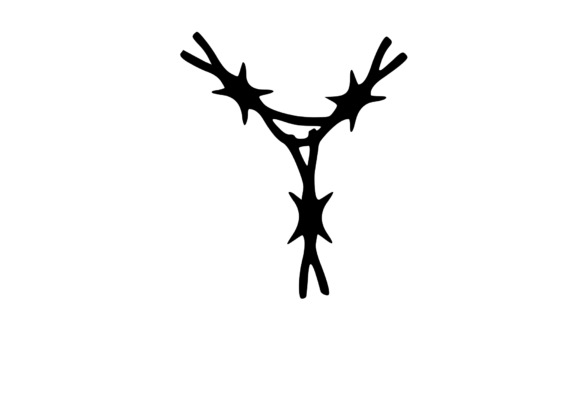
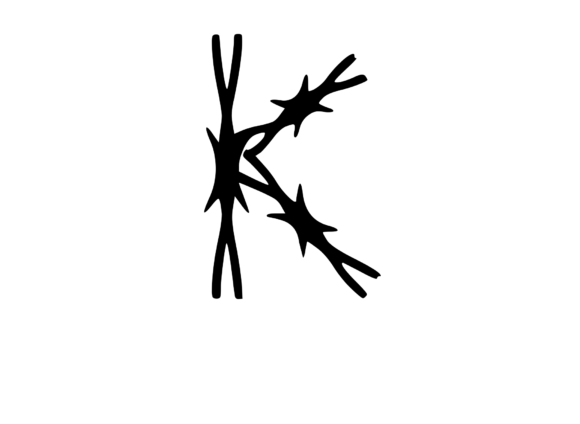
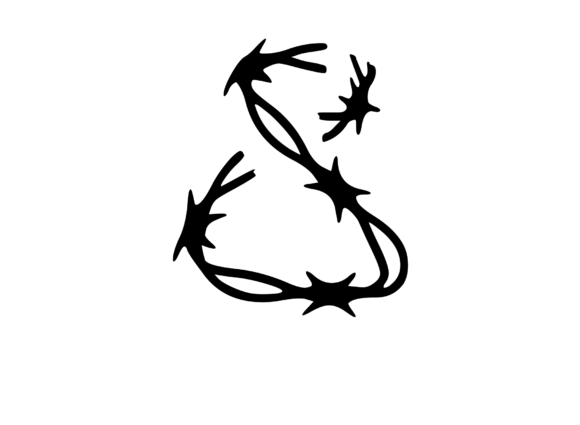
When I first pulled up the Sharp Barbed Security Wire Mono 4 embroidery file, I have to admit I paused. This is not a delicate floral or a whimsical script. It is immediate, pointed, and unapologetic. The design carries a raw, industrial energy that feels more like a statement than a decoration. As someone who has stitched hundreds of commercial embroidery projects and reviewed countless digital embroidery files, I recognize when a design is trying to say something. This one says, “Do not cross.” That kind of visual personality is rare in machine embroidery design, and it immediately made me think about where it belongs and who would wear it or carry it.
The Sharp Barbed Security Wire Mono 4 creates a mood that is both gritty and precise. The barbed wire motif is not abstract or softened for comfort. It stays true to the source material: sharp angles, defined barbs, and a repeating rhythm that feels secure almost like a literal fence. The visual personality leans toward utilitarian, tough, and no-frills. This is not a design for a baby shower gift or a wedding favor. It belongs on products that want to project edge, resilience, or a kind of protective attitude. Think tactical gear, motorcycle apparel, workshop aprons, or custom patches for enthusiasts who appreciate industrial aesthetics. It also works surprisingly well for humorous or ironic applications on items like kitchen towels or tote bags, where the sharpness becomes a playful contrast to domestic softness.
How It Performs Across Real Embroidery Projects
I tested the Sharp Barbed Security Wire Mono 4 on several fabric types and product blanks to see how it holds up under actual stitching conditions. On a heavyweight sweatshirt, the design stitched out cleanly. The satin stitch segments on the barbs were crisp and retained their shape without distorting. The fill stitch sections in the wire body provided enough coverage to feel substantial without becoming overly dense. This matters because stitch density directly affects how the fabric behaves after repeated wear and washing.
On a mid-weight tote bag made of cotton canvas, the design sat nicely. The tote bag embroidery needed something that could withstand frequent use and still look sharp. The Sharp Barbed Security Wire Mono 4 delivered on that front. The running stitch outlining gave the wire a defined edge, and the satin stitch barbs stood out against the canvas weave without sinking in. I would confidently stitch this on a tote bag for a small shop product or a craft fair display.
For a cap or hat, this design requires careful placement. The barbs are angular and can be less forgiving on curved surfaces. If you are planning cap embroidery, consider scaling the design down and testing the stitchout on a curved hoop. The Sharp Barbed Security Wire Mono 4 can work on caps if the digitizing quality is precise, but it is not a beginner-friendly choice for curved substrates. I recommend testing on a practice cap before committing to a batch of finished products.
On a flat apron or a pillow cover, the design performs well. The repeat pattern nature of barbed wire means it can extend across the fabric without losing visual rhythm. For an embroidered patch, this design shines because patches allow for heavier stitch density and thicker thread, both of which enhance the industrial look. I can see this being a popular choice for Etsy sellers offering custom patches for workwear or outdoor gear.
For baby embroidery or holiday embroidery, I would not recommend this design unless the intent is deliberately ironic or humorous. The sharp theme does not naturally align with soft, sentimental products. However, for personalized gifts aimed at someone who works in construction, security, or outdoor trades, it could land as a thoughtful nod to their profession.
Where to Use Sharp Barbed Security Wire Mono 4 with Caution
Not every fabric is a good match for this design. Sharp Barbed Security Wire Mono 4 contains angular satin stitch elements that can behave unpredictably on stretchy or lightweight fabric. On a thin t-shirt, the stitch density may cause puckering if the fabric is not adequately stabilized. I strongly advise using a high-quality cutaway stabilizer for knit fabrics and testing the design on a scrap piece first.
Small hoop sizes also present a challenge. If your hoop is under four inches, the barbs may lose their definition, especially if the design needs to be scaled down significantly. The visual impact of barbed wire relies on the spacing between barbs and the thickness of the wire. Shrinking it too much can turn a menacing motif into a confusing tangle. Keep the design at a size where each barb is clearly visible and distinct.
Dark fabric is a consideration as well. The Sharp Barbed Security Wire Mono 4 relies on contrast to be readable. If the thread color matches the fabric too closely, the barbs will blend in and lose their sharpness. Use a thread color that stands out. Silver, metallic grey, white, or neon yellow all work well against dark backgrounds. For lighter fabrics, black or dark grey thread creates the classic security wire look.
Layered garments, like a lined jacket or a hoodie with a front pocket, can be tricky because the extra thickness changes how the needle penetrates. Test the design on a layered garment sample before running a production batch. The last thing you want is a misaligned stitchout that ruins a bulk order for a small shop product.
Visual Appeal and Product Value
The Sharp Barbed Security Wire Mono 4 adds a distinct personality to any finished product it adorns. It is not subtle. That is its strength. In a market flooded with script monograms and floral vines, a barbed wire design stands out. Customers who see it on a custom apparel item or a handmade product will immediately recognize the mood it sets. That recognition builds engagement and can differentiate your Etsy listings or craft fair booth from competitors offering more conventional designs.
For craft business owners, this design can be a conversation starter. A customer browsing your booth who spots barbed wire embroidery on an apron may stop to ask about it. That moment of curiosity often leads to a sale or a custom order. The design’s visual clarity helps with brand consistency if your shop specializes in rugged, industrial, or protective gear. It signals the quality and tone of your work before anyone reads a product description.
Giftability is a factor too. This design works well for gifts aimed at mechanics, security personnel, military veterans, or anyone who identifies with a tough, no-nonsense image. It also appeals to hobbyists who enjoy humorous or campy decor. I have seen similar designs on kitchen towels and blankets that lean into the irony of a dangerous motif in a domestic setting. The Sharp Barbed Security Wire Mono 4 is versatile enough for both sincere and playful applications, as long as the fabric and thread choices match the intention.
Practical Designer Notes Before You Stitch
Before you commit this embroidery file to any project, here are the steps I always take after reviewing a new digital embroidery file like Sharp Barbed Security Wire Mono 4.
- Test on scrap fabric first. I cannot emphasize this enough. Every machine, every thread brand, and every stabilizer interacts differently with a design. Stitch it out on a scrap piece that matches your intended product fabric for an honest preview.
- Check thread color contrast. This design depends on visible, sharp edges. Run a test using black thread on white fabric and white thread on black fabric to see which version has more impact. The contrast directly affects customer perception of the finished product.
- Review stitch density. If the file feels too dense, the fabric may show distortion or puckering. If it feels too light, the barbs may not hold their shape. Adjust stabilizer type or layer if needed. A medium-weight cutaway stabilizer is a good starting point for most cotton and poly-cotton blends.
- Confirm hoop size. Make sure your hoop can accommodate the design without crowding the edges. Leave at least half an inch of clearance on all sides to prevent fabric shifting during stitching.
- Inspect small details. Look at the barbs individually in your software preview. If any barb appears thinner or more tapered than the rest, it may break during stitching or become distorted. Trust your software’s simulation but verify with a physical test.
- Test in black and white mockups. Before you invest time in thread changes, view the design in grayscale. This removes the distraction of color and lets you evaluate the shape, proportion, and spacing of the barbed wire pattern. If it looks unbalanced in black and white, it will not improve with color.
- Compare light and dark fabric backgrounds. The Sharp Barbed Security Wire Mono 4 can look dramatically different on a white t-shirt versus a black hoodie. Stitch a small sample on both backgrounds to see which version you prefer for your product line.
- Use proper stabilizer. For this design, I recommend a tear-away stabilizer for stable woven fabrics and a cutaway stabilizer for knits or stretchy materials. Hooping with a stabilizer that matches the fabric weight prevents registration issues.
- Confirm licensing terms. The product description states this SVG is great for all artists, designers, and crafters to decorate or craft with. It also says to “proudly reproduce this.” However, before you sell finished items or digital products derived from this design, verify the specific license. Some embroidery files allow unlimited commercial use; others restrict the number of sales or require attribution. Check the terms to avoid surprises later.
Real Scenario: Preparing a Custom Embroidered Sweatshirt
Let me walk through a real scenario that many small shop owners and Etsy sellers will recognize. A customer wants a custom embroidered sweatshirt for their brother who works in security. They want something that reflects the job but is not overly literal. You decide to use Sharp Barbed Security Wire Mono 4 on the front chest area in a metallic silver thread on a charcoal grey sweatshirt.
You hoop a piece of cutaway stabilizer with the sweatshirt fabric, ensuring the fabric is taut but not stretched. The hooping process is critical here because any distortion will throw off the satin stitch barbs. You load the embroidery file, check that the thread colors match your planned palette, and run a test on a scrap piece of similar sweatshirt material. The test looks clean, so you proceed to the actual garment.
After stitching, the design sits flush against the fabric. The metallic silver barbs catch the light nicely, and the charcoal background makes them pop without being harsh. You remove the stabilizer, trim the loose threads, and inspect the back. No pulling or puckering. The finished product feels professional and ready for sale or gifting. The customer picks it up and immediately comments that it looks “sharp” in both senses of the word. That is the kind of reaction you want validating your design choice.
Now, imagine the same scenario but on a lightweight t-shirt. The result might not be as clean. The fabric shifts more, the stabilizer needs to be heavier, and the barbs could distort if the tension is off. That is why I always test the Sharp Barbed Security Wire Mono 4 on the exact fabric and garment I plan to sell before listing it in my shop.
Final Thoughts on This Embroidery Design
The Sharp Barbed Security Wire Mono 4 is a solid addition to any embroidery designer’s library if you serve customers who appreciate bold, industrial motifs. It performs best on stable fabrics with proper stabilization and thrives on larger hoop sizes where the barbs can breathe. For crafters and small business owners looking to expand their product range beyond floral, script, and cartoon designs, this file offers a distinct visual alternative that can attract a different customer base.
It fits naturally into the Crafts and Graphics product categories because it functions equally well as a decorative element on physical goods and as a digital design asset for mockups or branding. Whether you are creating an embroidered patch for a boutique product, a custom tote bag for a craft fair, or a personalized gift for someone who likes their style with an edge, this design holds its own. Just remember to test, stabilize, and check your licensing before selling the finished product. That is the mark of a professional who respects both their craft and their customers.