Decaying Rotten Mono Letter T: Honest Review
When I first opened the Decaying Rotten Mono Letter T, I wasn't sure what to expect. The name alone sets a very specific mood. This isn't a delicate script monogram or a cheerful serif letter. It's rough, worn, and unapologetically distressed. As someone who's spent years testing machine embroidery designs for real client work and small shop production, I've learned that not every striking digital file translates well into thread and stabilizer. The Decaying Rotten Mono Letter T, however, surprised me in several ways, and I want to walk through exactly how it performs when you take it from a digital embroidery file to a finished product that actually sells.
First Impressions of the Decaying Rotten Mono Letter T
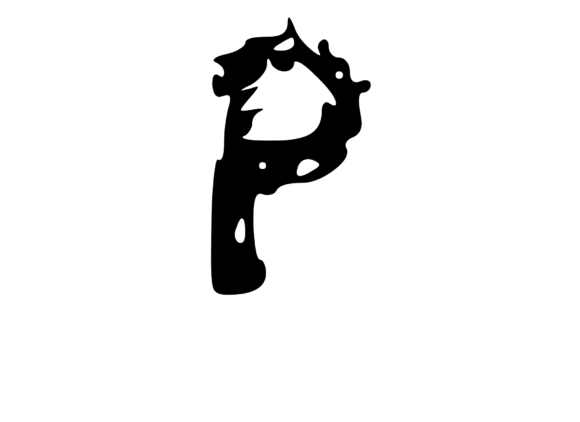
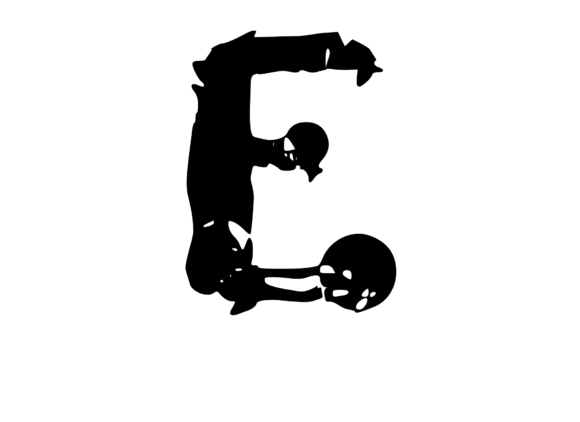
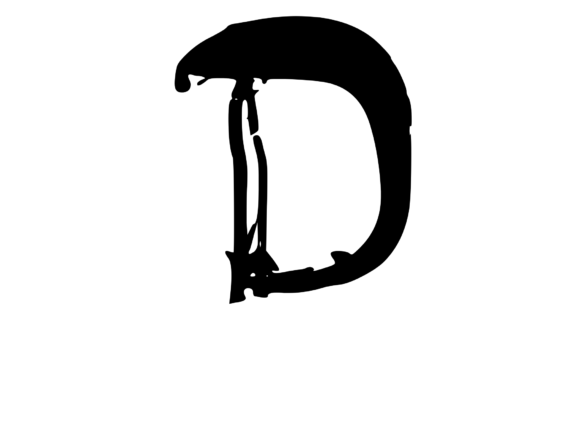
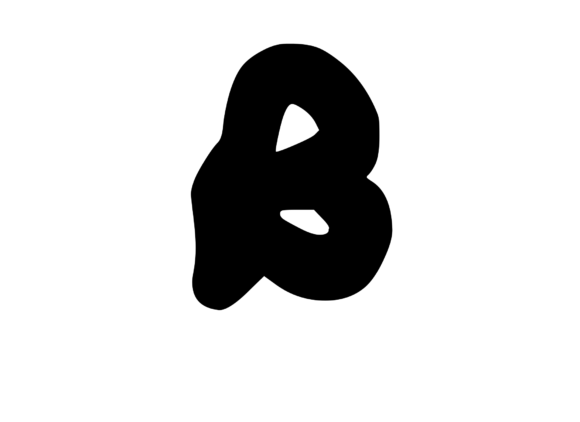
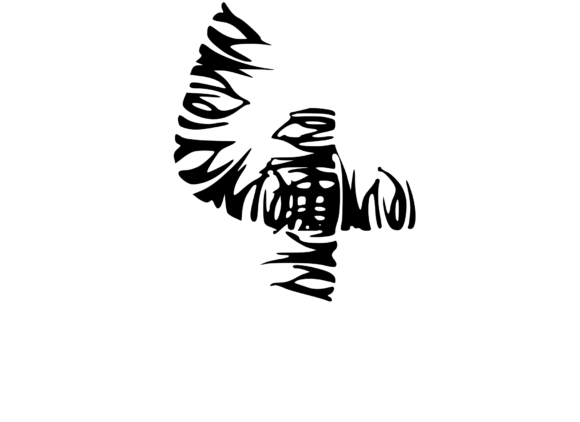
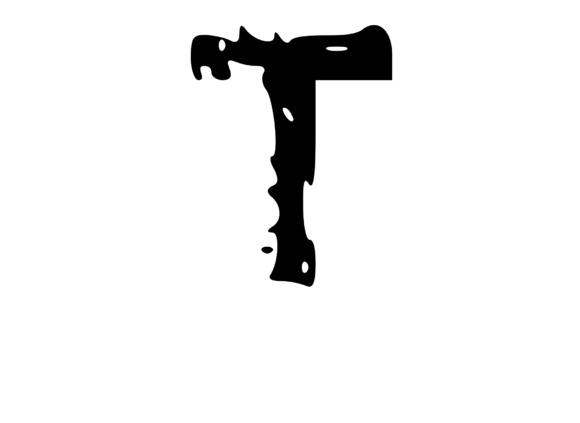
The visual personality of this design is immediate. It feels like something you'd find spray-painted on an abandoned factory wall or stamped onto a worn leather jacket. The mono letter structure keeps it readable, but the decayed, rotten edges give it a gritty, rebellious character. This isn't a design for delicate christening gowns or pristine corporate branding. It belongs on projects that want to communicate edge, authenticity, and a slightly raw handmade feel.
The detail level is moderate, which is a good sign for embroidery. There are enough distressed elements to create texture and visual interest, but not so many tiny fragments that they'd vanish in a machine embroidery design. I immediately thought of custom apparel for alternative fashion boutiques, punk-inspired merch, or small shop merchandise aimed at customers who appreciate imperfect, organic aesthetics. The Decaying Rotten Mono Letter T feels like a design that's been through something, and that's exactly its appeal.
Testing the Design on a Real Project
I decided to test the Decaying Rotten Mono Letter T on a heavyweight cotton tote bag. Tote bags are a staple for craft business owners and Etsy sellers because they're low-cost blanks that can carry high perceived value with the right embroidery. I wanted to see how the distressed edges would stitch out on a sturdy fabric with a medium hoop size.
First, I ran a test stitch on scrap fabric. This is something I always recommend before committing to a final product. The Decaying Rotten Mono Letter T stitched cleanly with good definition in the larger areas. The satin stitch sections held their shape well, and the fill stitch regions added enough density to make the letter pop without feeling overly stiff. I used a standard 40-weight thread in a dark charcoal on natural cotton, and the contrast was sharp. The decayed details read clearly, not as random noise but as intentional wear.
I also tested it on a black sweatshirt using a white thread. This is where the design really shined. The rotten, decaying edges created a high-impact distressed look that felt like a vintage band logo. For custom apparel shops or handmade product lines targeting younger demographics, this could be a consistent seller. The Decaying Rotten Mono Letter T has that rare quality of looking both handmade and professionally finished at the same time.
Where the Decaying Rotten Mono Letter T Performs Best
In my experience, this design works exceptionally well on medium to heavyweight fabrics. Tote bags, sweatshirts, denim jackets, canvas aprons, and pillow covers are all strong candidates. The distressed style benefits from fabrics that have some body and texture. I also think it would make an excellent embroidered patch. Because the decay effect is built into the letter shape, patches would retain that worn-in look right from the start, which is perfect for customers who love that aesthetic.
For small shop merchandise, the Decaying Rotten Mono Letter T could be used in personalized products like monogrammed hats or caps, though I'd recommend testing it on a curved surface first. The letter structure is solid enough that it should hoop well, but the distressed edges might need extra stabilizer to prevent distortion on a cap front. I also see potential for holiday embroidery if you're making gifts for someone with an edgy personal style. A custom embroidered beanie or a set of tea towels with this letter could stand out in an Etsy listing full of more conventional designs.
For commercial embroidery projects, this design could be a great addition to a brand's visual identity. If you're creating designs for a boutique that sells handmade or upcycled goods, the Decaying Rotten Mono Letter T communicates authenticity and craftsmanship without trying too hard. It's also versatile enough to work in both color and monochrome thread schemes.
Areas Where Caution Is Needed
No design is perfect for every situation, and the Decaying Rotten Mono Letter T has some limitations worth noting. On very small hoop sizes, the detail in the distressed areas could become cramped. If you're working with tiny hoop sizes for baby embroidery or small accessories, I'd recommend checking the design dimensions carefully. The decay effect needs room to breathe. Similarly, on extremely thin or stretchy fabrics like lightweight t-shirts or silky blouses, the stitch density might cause puckering. I'd suggest using a cutaway stabilizer and testing on a scrap piece before stitching a finished product.
The design also requires thoughtful thread color selection. On dark fabrics, dark thread colors might hide the decay detail, making the letter look solid rather than distressed. Conversely, light thread on light fabrics could wash out the texture. I found the best results with high contrast combinations: white or neon on black, black or dark gray on natural, or metallic thread on dark denim for a truly unique embroidered look.
Another consideration is the Decaying Rotten Mono Letter T's suitability for layered garments or items that need frequent washing. Because the stitch density is moderate, it should hold up well, but I'd always recommend testing after a few wash cycles. For personalized gifts or boutique products that need to last, using quality thread and proper stabilizer is non-negotiable.
Visual Appeal and Product Value
From a design perspective, the Decaying Rotten Mono Letter T adds immediate visual interest. In a market flooded with clean, safe monograms, this design stands out because it takes a risk. Customers looking for something different will notice it. For Etsy sellers, this could be the difference between a listing that gets lost and one that attracts comments and engagement. The distressed look feels authentic, which builds trust with buyers who value handmade presentation over mass-produced perfection.
For creative entrepreneurs, this design also works well in printable mockups. Because the letter has strong contrast and recognizable shape, it photographs and renders beautifully in product previews. Whether you're showing it on a tote bag design or a sweatshirt embroidery, the Decaying Rotten Mono Letter T holds its own in digital marketing materials. That's a practical advantage when you're building brand consistency across your small shop.
I also appreciate that this design fits naturally into multiple product categories. It works for Crafts because it's a ready-to-use graphics file, and it excels in Graphics because the SVG format allows for scaling and customization. But as an embroidery professional, I care most about how it stitches, and in that regard, it delivers.
Practical Embroidery Designer Notes
Before you use the Decaying Rotten Mono Letter T in any project, take these steps. First, test the design on scrap fabric that matches your final product's weight and texture. This is the only way to confirm that the stitch density and detail level work for your specific setup. Second, check thread color contrast against your fabric in both natural and artificial light. The decay effect relies on subtle variations, and low contrast can flatten the design.
Third, confirm your hoop size can accommodate the letter without crowding. If you're working with a small hoop, you may need to reduce the design size, but be careful not to lose the distressed detail. Fourth, use proper stabilizer. For most applications, a medium-weight cutaway stabilizer will work well. For stretchy fabrics, consider a tear-away or wash-away stabilizer depending on your project.
Fifth, always inspect small details after stitching. The Decaying Rotten Mono Letter T has intentional rough edges, but you want to ensure those edges look intentional, not like thread breaks or misalignment. A quick inspection can save you from producing a flawed finished product. Finally, confirm licensing terms before selling items made with this design. If you're using it for commercial embroidery or digital product sales, make sure your use is covered.
For Etsy sellers and small shop owners, I also recommend testing the design in both black and white mockups. This helps you see how the Decaying Rotten Mono Letter T reads in different contexts and ensures your product photos are consistent. A little upfront testing goes a long way toward building customer trust and avoiding returns.
Final Thoughts on the Decaying Rotten Mono Letter T
The Decaying Rotten Mono Letter T is not a safe design. It's bold, textured, and unapologetically worn. For the right audience, that's exactly what makes it valuable. If you're creating custom apparel, handmade gifts, or boutique merchandise for customers who want something with personality, this embroidery file is worth adding to your library. It performs well on medium to heavy fabrics, reads clearly with good contrast, and has the visual weight to elevate a finished product from basic to memorable.
Just remember to test it first, choose your fabric and thread wisely, and pay attention to hoop size and stabilizer. The Decaying Rotten Mono Letter T rewards careful preparation with a stitch-out that looks genuinely distressed and professionally crafted. For crafters, designers, and small business owners looking to expand their design assets with something that feels fresh and authentic, this is a solid choice.