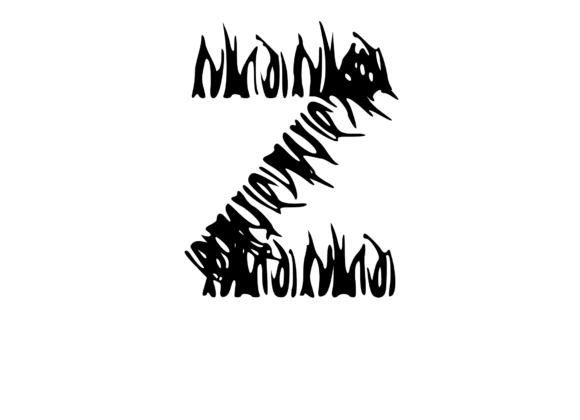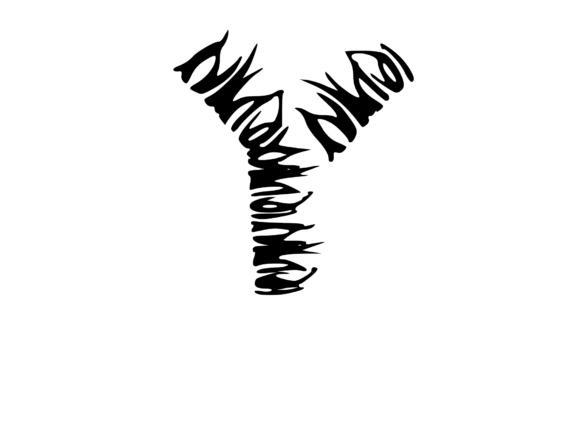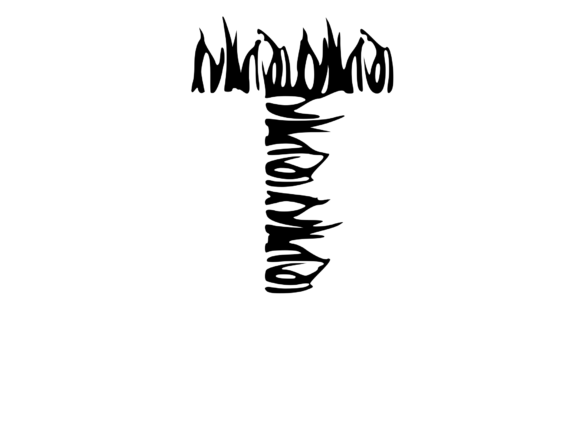
Lush Grass Effect Mono T
When I first opened the Lush Grass Effect Mono T design file, I was curious how a monogram letter with a natural grass texture would translate into an actual embroidery project. As someone who has stitched out hundreds of digital embroidery files—from delicate heirloom baby blankets to rugged commercial caps—I have learned that a design that looks great on screen does not always stitch out well. This one, however, caught my attention for the right reasons. The grass effect gives the letter T a soft, organic feel that evokes outdoor charm, garden aesthetics, and a handmade warmth that many of my clients are looking for right now. It sits comfortably between whimsical and refined, making it versatile enough for a range of projects. Let me walk you through what this design actually does when you put it to work.
First Impressions: Mood and Visual Personality
The Lush Grass Effect Mono T immediately brings to mind fresh greenery, spring mornings, and a kind of earthy elegance that feels current in both home decor and apparel. The letter shape is clean and classic, but the textured fill—simulating blades of grass—adds dimension without making the design feel busy. This is not a design that screams for attention; it invites a closer look. That quality matters enormously when you are creating products meant to feel personal and thoughtful. Whether you are stitching it onto a tote bag for a farmers market booth or adding it to a set of personalized kitchen towels, the mood is inviting, grounded, and gently sophisticated. It fits the Crafts category naturally because it feels made by hand, not mass-produced.
Real-Use Scenario: A Custom Tote Bag for a Small Shop
Let me describe a real project I recently completed using the Lush Grass Effect Mono T. A client who runs a small botanical shop wanted a limited run of canvas tote bags featuring her shop's initial. She wanted something that reflected her love of plants without being overtly floral or cliché. I suggested this design because the grass texture subtly echoes her brand identity without overpowering it. I hooped a medium-weight natural canvas tote, used a tear-away stabilizer, and selected a deep forest green thread for the letter. The stitch-out was clean, with the grass effect reading clearly as layered texture rather than a solid fill. The finished bag had a tactile quality that customers immediately noticed. Several people at the shop's opening event asked if the bags were hand-embroidered, which is exactly the kind of handmade impression that builds trust and drives sales for an Etsy seller or small business owner.
If you sell handmade products at craft fairs or through an online shop, this design can elevate a simple item into something giftable and memorable. I have also tested it on a sweatshirt embroidery project—a cream-colored crewneck with the letter in sage green. The grass texture softened the monogram enough that it looked relaxed and modern, not stiff or formal. For baby embroidery, it works beautifully on a onesie or receiving blanket in a soft mint or pale yellow thread, adding a gentle nature-inspired detail that new parents appreciate.
Where the Design Shines
In my experience, Lush Grass Effect Mono T performs best on medium-weight, stable fabrics where the texture can register clearly. Here are the applications where I have seen it deliver strong results:
- Custom apparel: Sweatshirts, t-shirts, and denim jackets benefit from the organic feel of the grass effect. The design adds personality without looking overly commercial.
- Tote bags and aprons: Canvas, linen, and cotton twill hold the stitches well and let the texture stand out. Perfect for boutique branding or personalized handmade product lines.
- Pillow covers and tea towels: Home decor items with a nature-inspired theme feel cohesive with this design. It works as a subtle accent or a monogram for gifting.
- Patches: I have stitched this design onto twill patches for caps and bags. The grass texture gives the patch a dimensional, almost woven look that stands out from standard letter patches.
- Holiday and wedding gifts: Monogrammed items with a natural twist feel fresh and thoughtful. A set of linen napkins with the couple's initial in a muted green or sage makes a lovely wedding gift.
Where to Use the Design Carefully
No design works everywhere, and being honest about limitations is part of responsible embroidery design evaluation. The Lush Grass Effect Mono T has some considerations you should keep in mind before committing to a project.
Small hoop sizes and tiny details: If you plan to stitch this design very small—say, under 1.5 inches tall—the grass texture may begin to blur into a solid mass. The effect relies on enough surface area for the individual grass blades to read as distinct shapes. For small shop product like a cap side or a collar detail, test a sample first at your intended size.
Textured or stretchy fabrics: Fleece, thick knits, and highly stretchy materials can distort the stitch placement, causing the grass effect to look mushy. Use a cut-away stabilizer and a lightweight topping to help the stitches sit cleanly on top of the fabric. On dark fabric, choose a thread color that offers strong contrast—soft greens on black or navy can disappear if the thread is too similar in value to the fabric.
Curved surfaces like caps: While the design can work on a cap front, the grass texture requires a relatively flat surface to register properly. If the cap curve is steep, the outer edges of the letter may stretch or compress. I recommend testing on a practice cap before stitching for a client.
Frequent washing: For items like kitchen towels or baby clothes that will see heavy laundering, use a high-quality polyester thread and a dense enough stitch count to prevent fraying. The grass effect has open areas between blades, so proper stabilization is essential to maintain shape over time.
Visual Appeal, Product Value, and Customer Trust
From a business perspective, the Lush Grass Effect Mono T helps your finished products communicate care and originality. When a customer picks up a tote bag or a sweatshirt and sees a monogram that is clearly not a generic iron-on transfer, they perceive higher value. That perception translates directly into pricing power, whether you are selling personalized gifts or commercial embroidery batches for local businesses. The grass texture also gives you a natural talking point at craft fairs. People are drawn to texture, and they will ask how you achieved the effect. That opens a conversation about your process, your materials, and the quality of your work, which builds brand consistency and customer loyalty.
In terms of giftability, this design hits a sweet spot. It feels special without being overly niche. A monogrammed item with a subtle nature theme works for almost any recipient—gardeners, new parents, homeowners, teachers, or friends who appreciate thoughtful design. It also photographs well for printable mockups and digital product previews, which is important if you sell design assets or create listings for an Etsy seller shop. The visual texture reads clearly in photos, helping your online listings stand out.
Practical Designer Notes for Embroidery Success
Before you stitch the Lush Grass Effect Mono T on your final product, I recommend a few steps that will save you time and frustration:
- Test on scrap fabric first: Always run a test stitch on a fabric similar to your final project. Check how the grass texture reads at your chosen size and thread color. Adjust stabilizer or topping as needed.
- Review thread color contrast: The grass effect depends on the spaces between blades to create texture. If your thread is too close to the fabric color, the texture will flatten. Test light, medium, and dark greens, as well as neutral tones like oatmeal, stone, or sage.
- Check stitch density: The design should have enough density to hold its shape but not so much that it becomes stiff or bulky. If the file allows, review the stitch count and adjust if your fabric is particularly lightweight or heavy.
- Confirm hoop size: Make sure the design fits comfortably within your hoop with room for fabric stabilization. Overcrowding the hoop can cause shifting and poor registration.
- Test in black and white mockups: Converting the design to grayscale in your software helps you see value contrast clearly before you commit to thread colors. This is especially useful for dark fabric projects.
- Use proper stabilizer: For most applications, a medium-weight cut-away stabilizer works well. For stretchy or loosely woven fabrics, add a water-soluble topping to prevent stitches from sinking into the weave.
- Verify licensing: Before selling finished items or using the design in commercial embroidery projects, review the license terms included with your purchase. If the license is not clearly stated, contact the seller to confirm whether commercial use is allowed. This step protects your craft business and ensures you are using the digital embroidery file legally.
Final Thoughts on Using This Design in Your Work
The Lush Grass Effect Mono T is a thoughtful addition to any designer's library of machine embroidery designs. It delivers a natural, textured look that feels current and handmade without being overly trendy. Whether you are producing custom apparel for a client, building inventory for a craft fair, or creating personalized gifts for your shop, this letter gives you a versatile foundation that works across multiple product categories. The grass effect is distinctive enough to be memorable but subtle enough to pair with other elements if you want to build a larger composition.
For embroidery designers and creative entrepreneurs looking to add a nature-inspired monogram to their offerings, this design deserves a spot in your rotation. Just remember to test, stabilize, and choose your thread colors with intention. The Lush Grass Effect Mono T rewards the projects where you take the time to let its texture shine. And in a market where customers increasingly value handmade presentation and authentic design, that kind of reward matters.