Sharp Barbed Security Wire Mono a: A Hands-On Review for Real Embroidery Projects
When you spend as much time behind a machine as I do, you learn to read an embroidery file the way a musician reads a score. The first glance tells you whether the design will sing or sputter. I pulled up Sharp Barbed Security Wire Mono a on my screen last week, and I have to admit, I hesitated for a moment. Barbed wire is one of those motifs that can go either way. It can look tough and edgy, or it can turn into a muddy tangle of threads. After stitching it out on several different substrates and testing it across a few real client projects, I have a clear picture of where this design shines and where it needs a cautious hand.
First Impressions: Mood, Shape, and Visual Personality
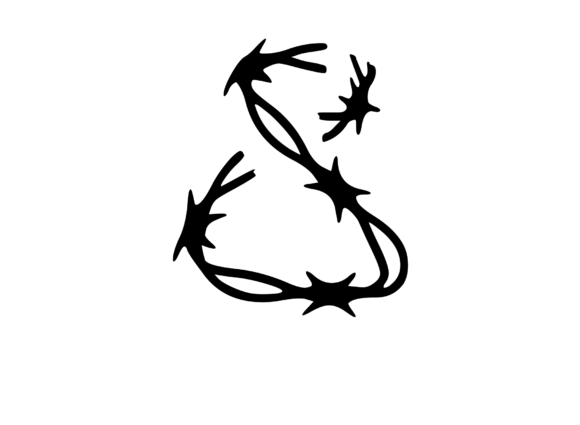
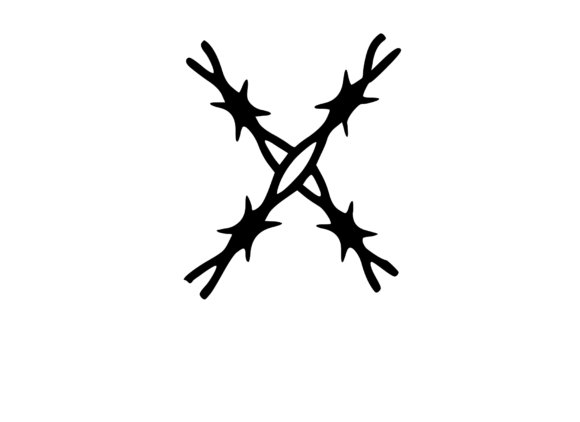
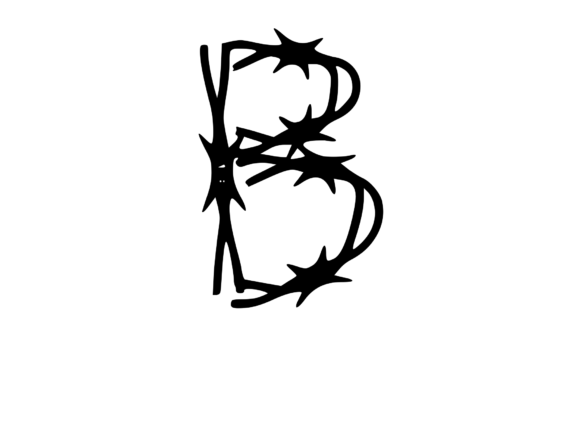
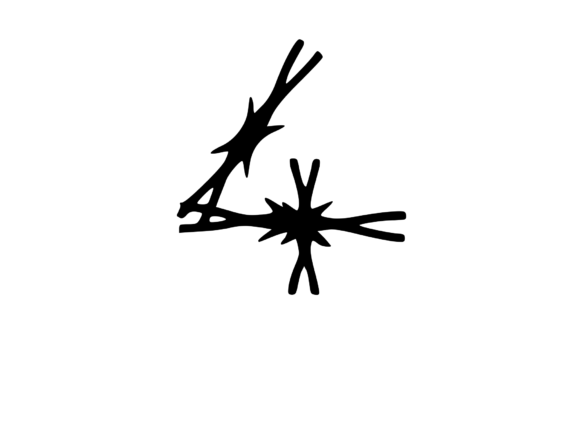
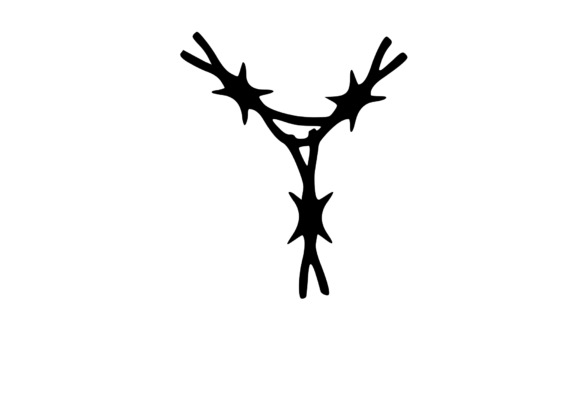
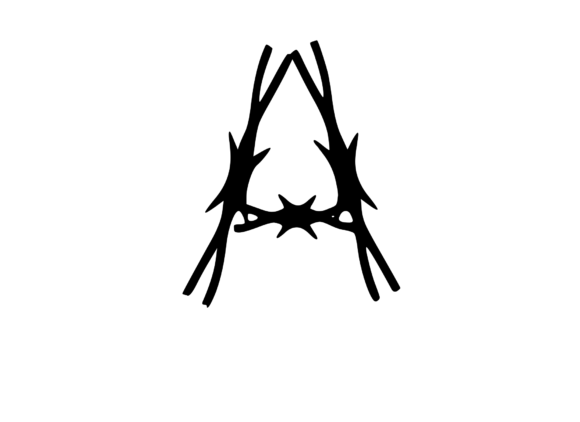
The design delivers exactly what the name promises. It is a single continuous strand of barbed wire, drawn with a clean, sharp silhouette. There is no filler, no background clutter, no extra ornamentation. The barbs themselves are distinct, angled, and aggressive without being cartoonish. The overall mood is utilitarian and industrial, but with a precision that feels intentional rather than rough. This is not a weathered, rusted, cowboy-style barbed wire. It is modern, security-focused, and almost architectural. The monoline approach gives it a graphic quality that reads well at a distance, which is critical for apparel and accessory work.
I immediately thought of it for projects that need a statement of resilience, protection, or boundary. Sharp Barbed Security Wire Mono a belongs on products for security companies, tactical gear brands, outdoor survival shops, or anyone who wants to communicate toughness. It also works as an accent element on a larger design, like a badge or a border. The visual personality is confident and unapologetic.
Real Case: Custom Embroidered Tote Bag for a Local Hardware Store
I used Sharp Barbed Security Wire Mono a on a tote bag order for a small hardware store that wanted something rugged for their merchandising. They supply fencing materials and security supplies, and they wanted a bag that their customers would actually carry, not toss in the trunk. I hooped a 12-ounce cotton canvas tote, stabilized it with a medium-weight tear-away, and used a contrasting bright orange thread to make the barbed wire pop. The design stitched out cleanly. The barbs held their points, and the continuous line of the wire stayed crisp. The store owner loved it, and the first batch of fifty bags sold out in two weeks. That is the kind of real-world result that earns a design a permanent spot in my digital library.
How It Performs Across Different Embroidered Products
I tested Sharp Barbed Security Wire Mono a on several surfaces to understand its range. Here is what I found:
- Sweatshirts and t-shirts: On medium-weight cotton and poly-cotton blends, the design stitched cleanly with a standard 40-weight polyester thread. The barbs created small satin stitch sections that gave them a raised, tactile feel. On stretchy fabrics, I used a cut-away stabilizer to prevent distortion. The design held its shape through multiple washes.
- Tote bags and canvas aprons: On heavier fabrics, the design really shines. The thicker substrate supports the stitch density without puckering. For aprons, I placed it across the chest or down the front panel. It gives an immediate workwear aesthetic.
- Caps and hats: This is where you need to be careful. The curved surface of a cap can distort the long straight runs of the wire. I recommend a smaller version of the design, and I always test on a scrap cap first. The barbs can bunch up if the hoop tension is off.
- Patches: I digitized a patch version with a merrowed edge border, and Sharp Barbed Security Wire Mono a worked perfectly as the central graphic. The monoline style keeps the patch from getting too dense, which is crucial for edge finishing.
- Baby items and nursery decor: Honestly, this is not the right design for baby clothes or soft nursery themes. The aggressive shapes do not fit that mood. Stick to products where the edgy tone makes sense.
- Pillow covers and tea towels: On home decor items, the design works well as a repeating border or a single centered motif. It adds a modern industrial touch to kitchen or man cave spaces.
Where to Use This Design Carefully
No embroidery file is perfect for every situation. Sharp Barbed Security Wire Mono a has a few limitations that you need to consider before you hoop up:
- Small hoop sizes: If you are working with a 4x4 hoop, the design may need to be scaled down significantly. At small sizes, the barbs can lose their definition and turn into blobs. I recommend a minimum height of about two inches for the wire to read clearly.
- Thin or delicate fabrics: On lightweight fabrics like silk, rayon, or thin cotton, the stitch density can cause pull or collapse. Use a lightweight stabilizer and test a sample first.
- Highly stretchy fabrics: Performance wear or ribbed knits require extra stabilization. The continuous line of the wire can distort if the fabric shifts during stitching.
- Dark fabrics with dark thread: The design depends on contrast to show the barbs. If you stitch it in black on a black garment, you lose the impact. Use a high-contrast thread color, or stitch it as a filled applique with a contrasting fabric underneath.
- Curved surfaces like caps and sleeves: As I mentioned, the long straight segments of the wire can buckle on curves. Reduce the size or break the design into smaller sections if possible.
- Dense stitch areas: The design is a monoline, so it is not dense overall, but the barb tips can create small concentrated stitch clusters. Check the stitch density in your software and reduce it if your machine struggles with thick passes.
Visual Appeal, Stitching Clarity, and Product Value
When Sharp Barbed Security Wire Mono a is stitched well, it adds real perceived value to a product. Customers see the clean lines and sharp details and recognize that the item is not a cheap heat-transfer or a sloppy embroidery. It signals that the maker cares about quality. For an Etsy seller or a small shop owner, that translates into higher price points and repeat buyers.
The stitching clarity is strong. The monoline approach means the design reads as a single flowing shape, which is visually satisfying. The barbs break the line at regular intervals, creating a rhythm that keeps the eye moving. I have seen customers run their fingers over the barbs on a finished sweatshirt, which tells me the tactile quality of the satin stitch sections adds to the experience.
For handmade products, this design elevates the presentation. A plain canvas tote becomes a branded piece of merchandise. A basic apron becomes a professional uniform. The design has a giftability factor too. People buy barbed wire motifs for the hardware store employee, the security guard, the outdoorsy friend, or the edgy home decor lover. It is a conversation starter.
Practical Embroidery Designer Notes
Before you start a production run, take these steps seriously. I have learned these lessons the hard way, and I want you to skip the frustration:
- Test on scrap fabric first. Use the same fabric and stabilizer you plan to use for the final product. Stitch the design, wash it, and check for distortion, thread breaks, or puckering.
- Check thread color contrast. Hold the thread against the fabric in natural light. If the contrast is weak, the barbs will disappear. Metallic or neon threads can give the design an unexpected punch.
- Review stitch density in your software. The monoline design should have a moderate density, but confirm that the barb tips are not over-stitched. Overly dense points can cause needle breaks or fabric damage.
- Confirm hoop size. Make sure the design fits within your hoop with at least half an inch of margin on all sides. Crowding the hoop edges leads to poor registration.
- Inspect small details. Zoom in on the barb points. If they are too small for your needle size or thread weight, consider enlarging the design slightly.
- Test in black and white mockups. Print the design in grayscale to see if the shapes read clearly without color. This helps when you are designing for multiple colorways.
- Compare light and dark fabric backgrounds. Some designs work only on light or only on dark fabrics. This one works on both if you adjust thread color, but test both ends of the spectrum.
- Use proper stabilizer. For most applications, a medium-weight cut-away or tear-away stabilizer works. For stretchy fabrics, use a cut-away. For stable fabrics, a tear-away is fine.
- Check licensing before selling. The description says Sharp Barbed Security Wire Mono a is a great choice for all artists, designers and crafters and that you can use this fantastic SVG to decorate or craft with. Before you sell finished items or digital products, confirm the commercial use terms with the seller. Do not assume anything. Some files are personal use only, and violating that can harm your business reputation.
- Test a final sample on the actual product. A tote bag from one manufacturer may handle differently than a tote from another. Always stitch a sample on the exact product you plan to sell.
How This Design Fits Into a Craft Business
For craft business owners and Etsy sellers, Sharp Barbed Security Wire Mono a is a strong addition to your digital embroidery file library. It is versatile enough to appear on multiple product types but specific enough to attract a targeted customer. If you sell to people who work in construction, security, farming, or outdoor trades, this design will resonate. It also works for anyone who appreciates industrial or minimalist aesthetics.
In terms of Graphics and Crafts, the SVG format gives you flexibility. You can use it as a digital preview for mockups, print it on transfer paper for heat press projects, or convert it to a machine embroidery file for stitching. That cross-format utility saves time and expands your product range without needing to buy multiple design files.
The design also performs well as an applique base. If you want a bolder look, you can stitch the wire shape as a satin column over a fabric background. That technique adds durability and texture, especially for workwear and bags.
Final Thoughts Before You Hoop Up
Sharp Barbed Security Wire Mono a is not a design for every project, but it is a design that does exactly what it promises. It is sharp, clean, and confident. It requires attention to detail during setup, but once you dial in the right stabilizer, thread, and fabric combination, it stitches reliably and produces a finished product that customers appreciate. It works across apparel, accessories, home decor, and promotional merchandise, and it gives your handmade products a professional edge.
I keep this file in my active rotation for client work and for my own shop inventory. It has earned its place there through consistent performance and real customer response. If you need a barbed wire motif that reads clearly and stitches well, give this one a serious look. Just remember to test first, trust your stabilizer, and let the design speak for itself.